The human genome is the complete set of genetic instructions encoded in DNA within the nucleus and mitochondria of human cells. It encompasses all the DNA, including genes that code for proteins. It encompasses other functional regions, including regulatory sequences, as well as non-coding DNA with diverse roles. The genome contains both protein-coding genes and non-coding DNA. While genes provide instructions for building proteins, non-coding DNA has various functions. The regulation of gene expression and structural roles. Recent findings proposed that 95% of our DNA is non-coding.
Several features in the human genome (DNA) indicate that it is atypical. Genetic studies on hominin species, such as chimpanzees, bonobos, gorillas, and orangutans, have revealed that each cell has 24 pairs of chromosomes. In comparison, the human genome only consists of 23 pairs of chromosomes. Chimpanzee and bonobo genomes are 99.6% identical, while bonobo and human genomes are only 98.7% identical. The difference is that humans have fewer pairs of chromosomes in their cells than chimpanzees. Humans have only 23 pairs of chromosomes instead of 24 due to a difference in chromosome 2.
Chimpanzees have almost identical DNA sequences to human chromosome 2. The difference is that they have two smaller and separate chromosomes, whereas humans have only one. These findings suggest that an unusual event has occurred in the human genome. It is unlikely to be the result of the normal evolutionary process. In addition, chromosome 2 is associated with multiple diseases. Many of which affect a high percentage of the population, such as diabetes, hypertension, cancer, and many more.
Another recently discovered feature suggests our genome may have been tampered with. The human genome is packed with unique genes not found in any other living creature on Earth. The function of these unique genes is unknown. They do not exist in other animals, so there is no model in which they can be studied. According to the researchers, these duplicated genes contributed to the development and evolution of the human species. They have made us susceptible to diseases.
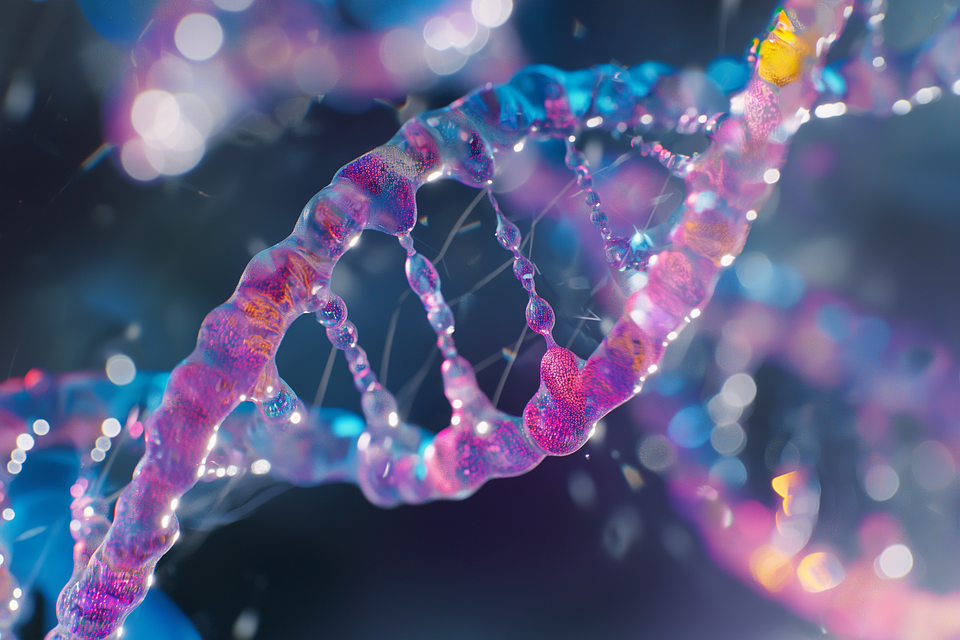
James Watson and Francis Crick were instrumental in discovering the double helix structure of DNA in 1953. Francis Crick proposed the “directed panspermia” theory, suggesting that life was deliberately transmitted to Earth by intelligent extraterrestrials. The theory of panspermia suggests that life on Earth was seeded by life from other planets. Crick’s interest in this idea stemmed partly from the complexity of even the simplest living cells. Additionally, the challenge lies in explaining the spontaneous origin of life from non-living matter on Earth.
He felt that the origin of life within the relatively short timeframe on Earth (300 million years, according to one account) could not justify the origin of our DNA. This fact led him to consider an extraterrestrial origin. Crick and his colleague Leslie Orgel elaborated on this idea in their book “Life Itself.” They proposed that a technological civilization send a “genetic starter kit” in a spacecraft to seed life on other planets, including Earth. They even suggested that the universality of the genetic code could be interpreted as evidence for directed panspermia.
Could something have happened in ancient times related to the development of our genome? There are other recently discovered unusual features in the human genome (DNA), all of which are described in detail in the series, “When the Anunnaki Gods Seized the Earth.” It provides a comprehensive analysis of all aspects related to our ancient past. The results of nine years of studying the Mesopotamian texts are presented in this collection. It’s our ancient history, dating back to antediluvian times.
Enjoyable and easy-to-understand style, featuring a detailed and vivid account that will make you feel as though you’re right there at the scene. The wealth of information will surprise you. Available on Amazon Kindle in two formats, eBook and paperback. Get it now by clicking the links. Please refer to: https://ryannemaxinemeyersohn.com/. For editorial and customer reviews of my work, please refer to Readers’ Favorite.